
The Hidden Costs of SaaS Platforms
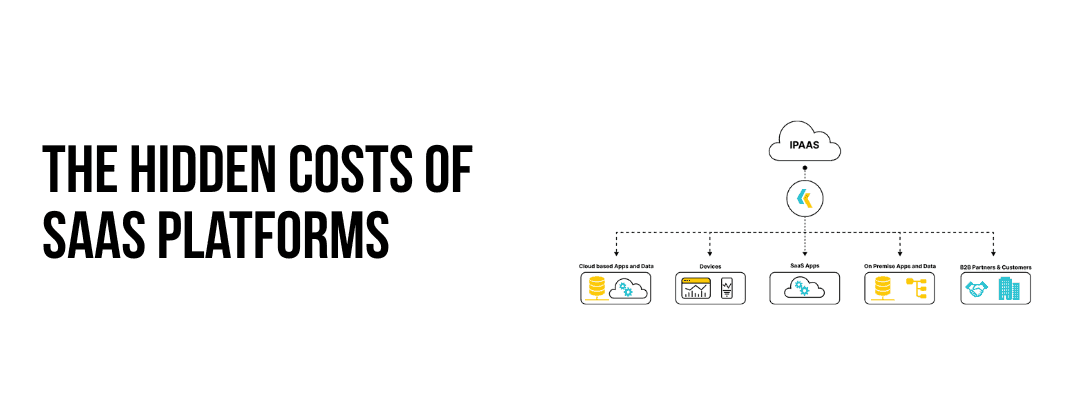
Table of Contents
The Hidden Costs of SaaS Platforms: How to Avoid Budget Overruns
SaaS platforms have become essential for businesses looking to enhance efficiency, collaboration, and growth. However, as organizations increasingly adopt these platforms, many find themselves grappling with unexpected costs that can lead to budget overruns. Understanding these hidden costs is crucial for any business aiming to maximize its investment in SaaS.
Basics of SaaS Pricing
Before diving into hidden costs, it’s important to grasp the basic pricing structures of SaaS platforms. Most SaaS providers offer tiered pricing models based on features, user numbers, or usage levels. Common pricing structures include:
- Charges are based on the number of users accessing the platform.
- A single fee for unlimited access to features for a set period.
- Costs vary depending on the level of service or usage.
While these pricing models appear straightforward, they can mask various hidden costs that might not be evident at first glance.
Hidden Costs of SaaS Platforms
1. Overlooked Subscription Tiers
Many businesses choose a subscription tier based solely on initial needs. However, as the company grows, its requirements may change. Upgrading to a higher tier often incurs additional costs, which can strain budgets unexpectedly.
Regularly assess your business needs and compare them against your current subscription tier. Anticipate growth and consider choosing a tier that accommodates potential future needs, reducing the likelihood of unexpected upgrades.
2. Integration and Customization Expenses
Integrating a new SaaS platform with existing systems can be more complex and costly than anticipated. Customizing features to fit specific business processes often requires additional investment in development or consulting services.
Before committing to a SaaS provider, conduct a thorough evaluation of integration capabilities. Look for platforms that offer robust APIs and pre-built integrations to minimize customization costs.
3. Training and Onboarding Costs
Investing in a SaaS platform often necessitates training staff to ensure they use the system effectively. This training can take time and resources, leading to additional costs.
Choose platforms that offer comprehensive onboarding support, including tutorials, documentation, and customer service. Factor in these training costs when budgeting for your SaaS investment.
4. Data Storage and Overages
SaaS providers typically include a certain amount of data storage in their pricing plans. Exceeding these limits can result in hefty fees for additional storage or data transfer.
Understand your data storage needs and select a plan that accommodates them. Monitor usage regularly to avoid surprise fees and consider whether data archiving solutions might help reduce storage needs.
5. Feature Overlap and Redundancies
Organizations often adopt multiple SaaS platforms to address different needs. However, overlapping features across these platforms can lead to unnecessary costs.
Conduct an audit of your existing software tools to identify overlaps. Streamline your tools to minimize redundancy, ensuring you only pay for essential services.
6. Cost of Downtime and Service Interruptions
Reliability is a critical factor in choosing a SaaS platform. Downtime can disrupt business operations and lead to lost revenue, but these costs are often overlooked when budgeting.
Research the service level agreements (SLAs) of potential SaaS providers, focusing on uptime guarantees. Consider investing in platforms known for their reliability to mitigate the risk of costly downtime.
7. Exit Costs and Data Migration
Switching from one SaaS provider to another can incur significant costs related to data migration, especially if the new platform is incompatible with the old one.
When selecting a SaaS provider, inquire about data export capabilities and costs. Platforms that offer flexible data migration options to reduce exit costs in the future.
Strategies to Avoid Budget Overruns
Now that we’ve identified the hidden costs associated with SaaS platforms, let’s explore strategies to keep your budget in check.
1. Conduct a Complete Cost Analysis
Before committing to a SaaS platform, perform a thorough cost analysis. Look beyond the initial subscription fee and consider all potential hidden costs. This analysis should include integration, training, storage, and possible exit costs.
2. Implement a Change Management Process
Establishing a change management process can help manage transitions to new SaaS platforms effectively. This includes assessing the impact of changes on workflows and budgets, enabling you to plan accordingly.
3. Set a Realistic Budget
When budgeting for SaaS, include a buffer for unexpected costs. Consider historical data on software expenses and potential growth trends to create a more accurate budget.
4. Monitor Usage Regularly
Keep a close eye on usage metrics to identify underutilized features or accounts. This practice can help you optimize subscriptions and avoid unnecessary costs.
5. Negotiate with Vendors
Many SaaS providers are open to negotiation, especially if you’re committing to a long-term contract. Discuss potential discounts or bundled services to optimize costs.
6. Free Trials and Demos
Before committing, take advantage of free trials or demos to assess the platform’s suitability. This can help identify potential hidden costs associated with features you may not need.
7. Engage Stakeholders in the Decision-Making Process
Involve relevant stakeholders in the selection process to gain insights into different needs and perspectives. This collaborative approach can lead to more informed decisions and better alignment with overall business goals.
SaaS platforms offer numerous benefits, but understanding and managing the hidden costs associated with them is vital for avoiding budget overruns. By conducting comprehensive cost analyses, monitoring usage, and involving stakeholders in decision-making, businesses can optimize their SaaS investments.
As you navigate the complex world of SaaS, remember that informed choices and proactive strategies can significantly enhance your budget management and overall business success.
For more info on easy automation solutions visit Klamp Embed & Klamp Connectors