
SaaS Integration: Connect Your Software Ecosystem
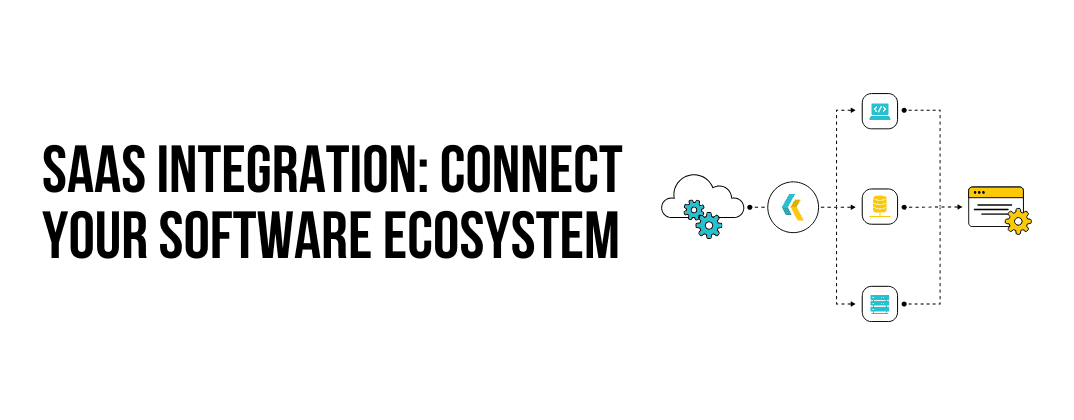
Table of Contents
Businesses use multiple software applications to manage various functions sales, marketing, finance, customer service, and more. While each tool is designed to streamline a specific task, managing several disparate systems can lead to operational inefficiencies, data silos, and a disjointed user experience. That’s where SaaS integration platforms come in, helping businesses connect their entire software ecosystem seamlessly.

Why SaaS Integration Matters
Before discussing integration platforms, let's discuss why integration is important. Many firms struggle more with software compatibility than with a lack of software. Without integration, staff may spend too much time entering, switching programs, and reconciling data. This can lead to errors, miscommunication, and inefficiencies that ultimately hamper business growth.
By using a SaaS integration platform, companies can create a unified software ecosystem, where applications "talk" to each other, share data seamlessly, and enable automated workflows. The result? Better productivity, improved data accuracy, and enhanced customer experiences.
What is a SaaS Integration Platform?
A SaaS integration platform is a specialized tool designed to connect different software applications, allowing them to share data and processes. These platforms use APIs (Application Programming Interfaces) to facilitate communication between apps, enabling real-time data flow and synchronization. Integration platforms can connect various types of software, including CRM systems, marketing automation tools, eCommerce platforms, accounting software, and more.
There are several types of SaaS integration platforms, such as:
iPaaS: A cloud-based solution that connects software applications in a scalable, flexible, and secure manner.
API Management Platforms: Tools that help businesses create, deploy, and manage APIs for software integration.
Custom Integration Solutions: Tailored solutions for specific business requirements, often developed by in-house IT teams or third-party vendors.
Benefits of Using SaaS Integration Platforms
Implementing a SaaS integration platform can bring numerous benefits to your business. Let’s explore some of the most significant advantages:
1. Data Management
One of the primary benefits of integration is centralized data management. When all your software applications are connected, you have a single source of truth for all your data. This means no more duplicate entries, conflicting information, or data discrepancies. Accurate, up-to-date data helps you make informed business decisions and fosters a data-driven culture.
2. Efficiency and Productivity
SaaS integration platforms automate workflows and eliminate the need for manual data entry. This saves time and reduces the likelihood of human errors. Employees can focus on high-value tasks instead of getting bogged down in administrative work, leading to increased productivity.
3. Customer Experience
When your software systems are integrated, you can access a holistic view of your customers. For instance, integrating your CRM with your marketing and support platforms enables a 360-degree customer view, helping you deliver personalized experiences and improve customer satisfaction.
4. Scalability and Flexibility
As your business grows, so do your software requirements. A good SaaS integration platform can scale alongside your business, allowing you to add new tools or upgrade existing systems without disrupting operations. This flexibility ensures that your software ecosystem remains agile and responsive to changing business needs.
5. Cost Savings
While implementing an integration platform may seem like an investment upfront, it can lead to significant cost savings in the long run. Automation reduces labor costs, and better data management minimizes the financial impact of errors and inefficiencies. Moreover, integration platforms reduce the need for multiple software licenses, helping you optimize your software spending.
Features to Look for in a SaaS Integration Platform
Choosing the right SaaS integration platform can be challenging with so many options available. Here are some key features to consider:
1. Pre-built Connectors:
Many integration platforms offer pre-built connectors for popular software applications like Salesforce, HubSpot, Shopify, and QuickBooks. These connectors simplify the integration process and enable you to get started quickly without custom development.
2. Customizability:
The ability to customize workflows and data mappings is crucial. This ensures that the platform can accommodate unique business requirements and complex processes.
3. Growth:
Look for a platform that can scale as your business grows. It should be able to handle increased data volume, more users, and new applications without compromising performance.
4. User-friendly Interface:
A user-friendly interface makes it easy for non-technical users to set up and manage integrations. Look for a platform with drag-and-drop functionality, intuitive dashboards, and comprehensive documentation.
5. Security and Compliance:
Data security is a top priority for any business. Ensure that the platform adheres to industry standards like GDPR, HIPAA, and SOC 2. It should also offer encryption, secure APIs, and robust access controls.
How to Successfully Implement a SaaS Integration Platform
Implementing a SaaS integration platform involves more than just plugging in your software applications. It requires careful planning, execution, and ongoing management. Here are some best practices to ensure a smooth implementation:
1. Define Your Integration Requirements
Start by identifying which software applications you want to integrate and what data needs to flow between them. Clearly define your integration goals, such as automating order processing or syncing customer data across platforms.
2. Choose the Right Platform
Evaluate different integration platforms based on their features, cost, and compatibility with your existing systems. Choose a platform that meets your business needs and offers room for growth.
3. Plan for Data Migration
If you’re migrating data from legacy systems, plan for data cleansing and transformation to ensure consistency and accuracy. Establish data governance policies to maintain data quality over time.
4. Test Thoroughly Before Going Live
Before going live, conduct thorough testing to ensure that the integrations work as expected. Test different scenarios and edge cases to identify any potential issues.
5. Monitor and Optimize
Once your integration platform is live, monitor its performance and address any issues promptly. Use analytics and reporting tools to track integration success and optimize your workflows over time.
Popular SaaS Integration Platforms in the Market
There are several SaaS integration platforms to choose from, each catering to different business needs and use cases. Some of the most popular platforms include:
Zapier: Known for its ease of use and wide range of pre-built integrations, Zapier is ideal for small to medium-sized businesses.
Klamp: Renowned for its advanced integration capabilities and real-time data syncing, Klamp is perfect for businesses seeking seamless automation across multiple platforms.
MuleSoft: A robust iPaaS solution suitable for larger enterprises with complex integration needs.
Workato: Offers advanced automation capabilities and is designed for both IT and business users.
Boomi: A versatile platform that supports both cloud and on-premises integrations.
SaaS integration platforms play a critical role in connecting your software ecosystem and driving business efficiency. By centralizing data management, automating workflows, and enhancing the customer experience, integration platforms empower businesses to leverage their software investments fully. When choosing a platform, focus on your business needs, scalability, and ease of use to ensure a successful implementation.
Using embedded integration, Klamp automates its apps in 3 days. Book a meeting now.

Recommended reading:
For more info on easy automation solutions visit Klamp Embed & Klamp Connectors