
Benefits and Uses of XML-RPC

Table of Contents
XML-RPC is a lightweight protocol for remote procedure calls, XML-RPC has proven to be an effective tool in various scenarios. In this blog, we will explore what XML-RPC is, its benefits, and its applications in the SaaS industry, with a focus on how it can improve your software solutions.
What is XML-RPC?
XML-RPC stands for XML Remote Procedure Call. It is a protocol that uses XML to encode its calls and HTTP as a transport mechanism. Essentially, XML-RPC allows a program to call a function or method on a remote server as if it were a local function call, with the communication details abstracted away. This makes it a powerful tool for integrating disparate systems and helping communication between different software components.
How XML-RPC Works
XML-RPC runs by defining a set of rules for encoding remote procedure calls in XML format. Here's a simplified breakdown of how it works:
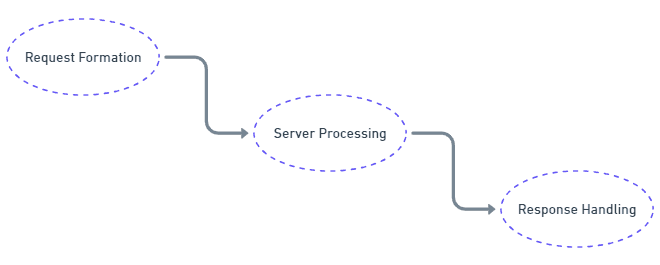
- The client creates an XML document being the method to be called and its parameters. This XML document is then sent over HTTP to the server.
- The server receives the XML request, parses it to understand the method being called and its parameters, executes the method, and generates an XML response.
- The client receives the XML response, parses it to extract the result of the method call, and goes ahead accordingly.
This straightforward approach ensures that XML-RPC can be implemented easily and is compatible with a wide range of programming languages and platforms.
Benefits of XML-RPC
- XML-RPC is designed to be simple and easy to understand. Its lightweight nature means that it doesn't require complex configuration or extensive infrastructure, making it an attractive choice for many developers.
- Since XML is a widely accepted standard, XML-RPC can be used across different programming languages and platforms. This universality ensures that systems written in different languages can communicate effectively.
- XML is a text-based format, which means that XML-RPC messages are human-readable. This makes debugging and troubleshooting easier compared to binary protocols. XML-RPC libraries and tools are available for many programming languages, which simplifies the implementation process. This means developers can focus on their core application logic rather than dealing with the intricacies of communication protocols.
- XML-RPC provides mechanisms for error handling through XML fault elements. This allows for clear communication of issues between the client and server.
Applications of XML-RPC in SaaS
XML-RPC's simplicity and flexibility make it a valuable tool in the SaaS (Software as a Service) industry. Here are some common applications:
- Service Integration: In a SaaS ecosystem, different services and applications often need to communicate with each other. XML-RPC can ease this integration by allowing different services to call methods on each other and exchange data seamlessly.
- Remote Management: For SaaS providers, managing remote servers and services is a common requirement. XML-RPC can be used to create remote management tools that allow administrators to control and check systems from a distance.
- Data Synchronization: XML-RPC can be employed to synchronize data between different systems or databases. This is particularly useful for SaaS applications that need to keep consistency across various platforms.
- Third-Party Integration: Many SaaS applications need to integrate with third-party services, such as payment gateways or analytics platforms. XML-RPC offers a straightforward way to connect with these external services and exchange data
"Explore Klamp Embed pricing to discover cost-effective automation solutions."

- API Development: Developers can use XML-RPC to build APIs for their SaaS applications. This allows other developers to interact with their services programmatically, enabling a wide range of possibilities for extending and enhancing the application's functionality.
XML-RPC vs Other Protocols
While XML-RPC has its advantages, it's important to consider how it compares to other protocols, such as JSON-RPC and REST. JSON-RPC, for instance, uses JSON instead of XML, which can result in more compact messages and better performance in certain scenarios. REST, on the other hand, uses standard HTTP methods and URLs, making it a popular choice for modern web services.
However, XML-RPC is still a valuable tool due to its simplicity and ease of use. It is particularly well-suited for scenarios where human-readable messages and cross-platform compatibility are important.
Getting Started with XML-RPC
If you're considering implementing XML-RPC in your SaaS application, here are a few steps to get you started:
- Choose a Library: Select an XML-RPC library or framework that matches your programming language. Many popular languages have well-supported libraries for XML-RPC.
- Define Your Methods: Decide the methods you want to expose via XML-RPC. Clearly define the parameters and return values for each method.
- Implement the Server: Write the server-side code to handle XML-RPC requests, execute the methods, and return responses.
- Develop the Client: Implement the client-side code to create XML-RPC requests and handle responses.
- Test Thoroughly: Test your implementation thoroughly to ensure that it works correctly and handles errors appropriately.
XML-RPC may not be the newest protocol on the block, but its simplicity, ease of use, and wide compatibility make it a valuable tool in the SaaS industry. Whether you're integrating services, managing remote systems, or building APIs, XML-RPC offers a straightforward solution for remote procedure calls. By understanding its benefits and applications, you can use XML-RPC to Improve your software solutions and streamline communication between different systems.
For more info on easy automation solutions visit Klamp Embed & Klamp Connectors