
Integrate IoT Devices with Analytics to Monitor Sensor Data
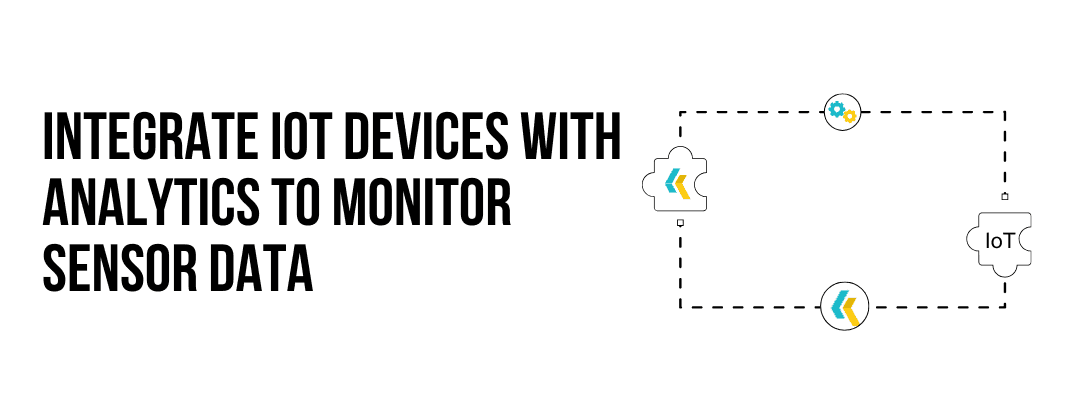
Table of Contents
How to effectively monitor and analyze that data to drive actionable insights.
If your company is having trouble converting IoT data into measurable benefits, Without the appropriate tools and tactics, the value of IoT data may go untapped, losing time, money, and potential.
IoT devices create massive amounts of sensor data. From smart thermostats to industrial equipment sensors, a great amount of data is collected. But here's the catch: gathering this data is one thing; getting useful insights from it is another. Businesses frequently grapple with:
IoT data arrives in a variety of formats (temperature measurements, pressure levels, and humidity parameters), and organizing it is difficult.
Sensor data is frequently confined within separate devices or networks, making it difficult to transfer or integrate between systems.
Without the ability to examine sensor data in real time, crucial insights can be lost, and problems may be addressed too late.
Raw data from IoT devices is frequently ineffective without enhanced analytics. Converting raw sensor information into actionable insights necessitates specialized tools and knowledge that many organizations lack.
Businesses that lack effective integration and analysis tools are sitting on a mound of data that they cannot properly use, potentially resulting in missed possibilities for operational efficiency, cost savings, and innovation.
Using the ability of IoT Data is easier said than done
The challenge of integrating IoT devices with strong analytics tools is considerable. Businesses attempting to use their IoT data confront several barriers.
First, the sheer volume of data from many sensors might be daunting. Whether it's a network of temperature sensors in a manufacturing facility or smart gadgets dispersed around a city, gathering and storing all of this data in an understandable manner is a tremendous undertaking.
Second, there's the question of data integration. How can you link dozens, hundreds, or even thousands of devices to a platform that can process data in real time? Manually doing this is inefficient and error-prone.
Even if you do manage to acquire all of the data in one place, you'll face another challenge: advanced data analytics. Not all platforms are capable of handling the complicated analytical procedures necessary to derive valuable insights from raw IoT data. This frequently results in businesses sitting on massive amounts of unneeded, unprocessed information.
To add to the irritation, organizations may be spending money on expensive manual monitoring systems or unconnected analytics solutions that do not give the insights required for decision-making. The longer this continues, the more resources are wasted. What is even more concerning? Delayed insights might result in missed opportunities, safety concerns, or equipment malfunctions.
Integrating IoT Devices with Analytics Platforms
Integrating IoT devices with an analytics platform, you can monitor sensor data in real time. You get instant visibility, allowing you to act immediately on critical information.
- Integrating IoT devices with analytics platforms centralizes all sensor data into one dashboard. This means you no longer must jump between systems to make sense of your data. Everything is available in one place, giving you a unified view.
- Adanced analytics platforms don’t just organize data they interpret it. Machine learning algorithms and predictive analytics tools can be employed to detect patterns, forecast trends, and even predict potential issues before they become critical problems. This means you can be proactive instead of reactive.
- You don’t need to have your eyes glued to the dashboard 24/7. With integration, you can set up automated alerts that notify you when certain thresholds are met or anomalies occur. For example, if a temperature sensor exceeds a specific limit, you’ll get an alert to prevent overheating or damage.
- As your business grows and you add more IoT devices, an integrated system ensures you can continue to monitor and analyze data without hassle. Whether you have ten devices or ten thousand, your analytics platform can scale with your needs.
By automating monitoring and analysis, businesses can save time and money that would otherwise be spent on manual processes or inefficient systems. Integration also helps avoid costly downtime by alerting you to potential problems early.
Why integrating IoT device with analytics works
When you integrate IoT devices with analytics platforms, you bridge the gap between raw data and actionable insights. The real-time data flow between sensors and analytics tools means you’re never in the dark about what’s happening. Instead of being reactive to issues, you can predict problems, optimize processes, and innovate faster.
For example, in manufacturing, real-time sensor data can detect when a machine is showing signs of wear, allowing for maintenance before it breaks down. In smart cities, environmental sensors can provide real-time data about air quality, helping municipalities take immediate action to reduce pollution.
This integration also removes the guesswork from decision-making. With clear, analyzed data at your fingertips, your business can make informed decisions quickly, giving you a competitive edge.
Don’t let your sensor data go to waste. Integrating your IoT devices with an analytics platform is the key to transforming overwhelming raw data into clear, actionable insights.
For more info on easy automation solutions visit Klamp Embed & Klamp Connectors